

Jobsuche Projektsuche Lebenslauf hochladen Wie wir Sie bei der Jobsuche unterstützen Mitarbeiter in Festanstellung Mitarbeiter in Zeitarbeit Interim Management Executive Search Managed Solutions Consulting-Lösungen Wie wir Sie bei der Mitarbeitersuche unterstützen Finanz- und Rechnungswesen IT-Bereich Kaufmännischer Bereich Legal Gehaltsübersicht 2026 Presse-Bereich Studien und Research Karrieretipps Recruiting-Tipps Bewerbungstipps Jobs suchen Personal finden Unsere Standorte

Unternehmenskultur – alles neu macht Corona?

Artikel Management-Tipps Unternehmenskultur Management und Leadership

Die Corona-Pandemie stellt häufig nicht nur bisherige Arbeitsweisen, sondern auch die Unternehmenskultur auf den Prüfstand: Passen die Werte noch und wie können sie jetzt (vor)gelebt werden? Wir zeigen Ihnen, wie Sie die Organisationskultur gestalten und zukunftssicher machen können.

In diesem Artikel lesen Sie:

Was ist die Unternehmenskultur?

Die Unternehmens- oder auch Organisationskultur beschreibt die Gesamtheit der Werte, Normen und Einstellungen, die ein Unternehmen prägt. In manchen Firmen findet dies implizit und ungesteuert statt. Die meisten größeren Unternehmen jedoch haben ihre Kultur anhand ihrer Visionen und Ziele entwickelt, präzise ausformuliert und für Mitarbeiter und Externe zugänglich gemacht. So haben die Angestellten eine wichtige Orientierungshilfe und Bewerber wissen sofort, ob ein Arbeitgeber zu ihnen passt – und umgekehrt. Auf diese Weise unterstützt die Unternehmenskultur die reibungslose Zusammenarbeit unter Kollegen und das Wir-Gefühl.

Welchen Einfluss hat Covid-19 auf die Unternehmenskultur?

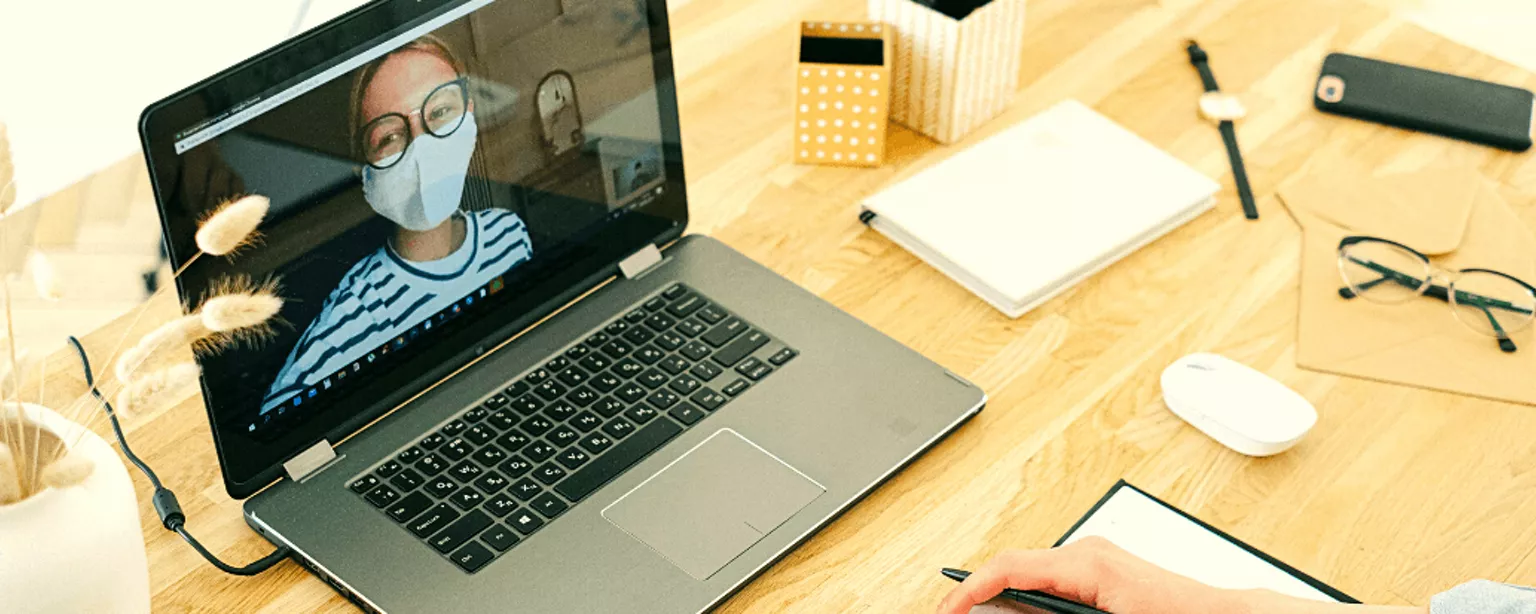
Die bisherige Unternehmenskultur wird durch Covid-19 auf die Probe gestellt: Home-Office und flexiblere Arbeitszeiten erschweren die berufliche Kommunikation. Ohne Begegnungen auf dem Flur oder in der Teeküche bleibt der private Plausch mit den Kollegen oftmals auf der Strecke. Für Sie als Führungskraft ergeben sich daraus Herausforderungen und Chancen gleichermaßen:

  • Wie können Sie die Verbundenheit der einzelnen Mitarbeiter mit ihrem Team, aber auch mit der Firma stärken?
  • Auf welche Weise können Sie die alten Werte der Organisationskultur pflegen und (vor)leben?
  • Welche neuen Erkenntnisse haben Sie in der Corona-Krise gewonnen? Könnte es sich positiv auswirken, die Unternehmenskultur entsprechend zu verändern oder zu erweitern?

Wie Covid-19 die Arbeitswelt verändern wird, sehen Sie auch in unserem Video:


Paul: Hello, I'm Paul McDonald, Senior Executive Director with the staffing firm, Robert Half. The world is experiencing unprecedented social, economic and business disruption as the result of the COVID pandemic and the workplace is no exception. Almost every way companies operate and the individuals work has dramatically changed and will continue to evolve over the coming weeks, months and even years. Together with my special guest, internationally renowned statistician and well-being expert Nick marks we're going to explore some positive, practical suggestions for making the transition back to office based work and take an early look at what the future of work might look like post COVID-19. Our goal is to uncover strategies to help both individuals and companies determine what can be learned from this experience and what they need to do now to be successful. Nick as the lockdown and social distancing guidelines start to be lifted and people returning to office based work, let's explore what the new reality of work is going to look like. Do you have some suggestions you know I'm people dealing with fear and respecting worker choice as they head into the office or be invited into the office? Nic: Yeah, it's going to be difficult and for some people quite challenging as there anxiety levels are very high and you know when people are frightened they sort of, part of their reaction is to freeze, so they're not gonna be good at collaborating. They're going to be perhaps nervous of other people, people that have have been trusted colleagues will suddenly feel like, "Oh my, might they have the virus?" And so I think there's going to be a very difficult negotiation. Some people who were more anxious are going to really struggle. Some who are more confident perhaps won't or people who have had it will feel will feel sort of invincible, so there's going to be a big variety of experience as people come back and try to keep a distance and try and collaborate. So it will be, you'll need to judge on an individual basis on individual office location basis and also individual people basis about how it's going to work. Paul: And the communication factor, you know between management or supervisor and employee is just increasing as we look at this remote workforce and what we've been thrown into in this COVID-19 crisis. What is some advice that you would have for managers on communication with their teams? Nic: So I think that we obviously need to do more and we also need to be checking in whether it's working for people. Some people want more, a little chat, and some people want to be left alone sometimes because they've got very pressured windows they can work in because of childcare or elder care whatever else is going on for them. So it's finding tailored solutions for individuals, it's talking to the whole team you know perhaps daily at the moment, but you do have to watch out for too many people on a Zoom or Teams call you know. You can't really open up if there's too many people. So my rule of thumb is only have four people on a call if you want to be creative or collaborative, no more than that. If you want to have more than that then you're basically what I call time sharing, where you're going around and asking individual people to share one at a time. And then that needs facilitating by the manager you can't expect the quiet people to speak unless you call on them, so you really need to be drawing them into it. Again it's just good management but like amplified. Paul: Looking at some of the new skills that are needed by the employee or the worker in addition to the management team we talk about soft skills regularly and the need for soft skills to be effective in today's workforce. When you look at it soft skills as it relates to you know this new world order of technology, video conferencing, what are some thoughts that you would have on the importance of soft skills in this new world of remote work? Nic: I think even more and it's sort of ironic isn't it really that data and tech becomes more and more front and foremost. I think people skills become more, you know we need both of those things: people skills and tech skills. And the remote working accentuates it even more...With remote you've got to be much more intentional, much more deliberate. Those accidental collisions that happened where you could sort of manage by walking around and just checking on people, you can't do that anymore. So you've really got to intentionally reach out, you've got to diarise. Talk to people, one-to-one talks because you're just going to, you're not going to pick them up in the cracks between work at the water cooler or just when you see someone's chill. You're going to have to do that more deliberately. So there is a lot, there's going to be more pressure on that, more more structure to that. Paul: Let's take a look at further out on the horizon, Nic, and you know what's COVID's legacy going to be? You know what's the new reality? What's the new normal going to look like in the workplace and what can managers and workers be doing now to prepare for that? Nic: Well I think that the very fact that employee well-being, employee mental health is front and foreground I think is good because it's always been a loss of productivity, there's always been a loss of creativity, a loss of collaboration. In fact from our estimates you know if you invest in an employee well-being program you'll get five times return on investment in any year in terms of increased creativity, innovation, productivity, collaboration. So I think what it's going to do is it's going to make that more front-and-center and people are going to take more notes and in my opinion that's a good thing. It's going to be a bumpy ride. And I think we're going to be here for quite a while. And everything's changing. Markets are changing, you know customers are changing, supply chains are changing, so what do we need to do? I think the main thing is we need to really have an ear on the ground, we really need to listen. Listen well to our customers, listen well to our employees, listen well to our suppliers. I'd even suggest you know you get a chief listening officer. You know someone that's going to really help coordinate that and do that in a great way in your organization's to take that forward. And if you listen and you react then you can be what we call agile and you can respond to that and this might be opportunities for smaller companies because they typically are more agile and more able to respond than larger ones. And large ones are more difficult to still though they probably have more access to capital so they might ride it out better. But the world is not going to be the same. That's for sure. This is a huge global shock. We need to be more tech savvy. I think it even more increases the need for people skills and that actually that, you know the two sets of skills of people and tech are going to be the growing managerial skills that we need and the growing skills are all employees need to be able to do is to use both of those things. So you know the more that we do remote working, the more empathy we have to have, the more we have to understand differences between people and the different circumstances. So it's an interesting world. Paul: You have companies that are willing to have employees work remotely. It brings down some geographic barriers that historically have been in place when recruiting individuals. So it's going to be interesting obtaining talent, hiring talent remotely, but it opens up new frontiers for employers to go after workers. Nic: Yeah, I think you're entirely right. We've also seen, you know, in some ways that the future comes sooner than we expected. You know, we had the gig economy going on and quite a lot of people self-selecting into being freelance or doing piecemeal work. And obviously there's some times that they're forced into but sometimes people are choosing and I think that a lot of people will quite like working at home and they may choose to go freelance and they may choose to do work in different ways, different rhythms. Maybe three, four day weeks will become more popular. It's going to be a huge, huge shake-up and that's before we even think about other things which we know are coming as long-term trends like AI and other things. So there's a multitude of things coming. And what I do think is that there's a possibility that people will be freer, possibility that there'd be able to work in ways they more want to. And if employers can go with that they will actually get more out of people because when people choose how they want to work they work better. So there are possibilities of sunshine after the rain. Paul: We hope today's insights proved interesting and help provide an early look at what COVID-19's legacy could be when it comes to where and how we work, both now and in the future. Kudos and special thanks to Nic Marks for joining me from London today for this discussion which we hoped has provided some positive practical suggestions on how we can all continue to adapt and manage our way through this turbulent time. Please don't hesitate to contact us here at Robert Half if you have questions or would like additional advice or support. In the interim, please stay safe and well. Bye for now

Wie erhalten Sie die Verbundenheit mit dem Unternehmen?

Eine Krise schweißt zusammen und so lässt auch Corona viele Mitarbeiter das Verhältnis zu ihrem Unternehmen neu bewerten. Eine Studie von Castenow mit Innofact hat gezeigt, dass

  • 50% ein stärkeres Teamgefühl empfinden,
  • 40% eine ausgeprägtere Verbundenheit zum Arbeitgeber fühlen und
  • 30% den Unternehmensspirit deutlicher spüren.

Diese Werte verdeutlichen, dass die Mitarbeiter empfänglich sind für die Botschaften ihrer Firma. Erhalten Sie sich dieses offene Ohr, indem Sie darauf achten, dass Sie alle Angestellten gut informieren und ganz selbstverständlich in Prozesse einbeziehen. Insbesondere wenn nur einige Mitarbeiter vor Ort anwesend sind, kann es leicht passieren, dass diese besser integriert sind als ihre Kollegen im Home-Office. Nutzen Sie daher unbedingt Möglichkeiten wie Video-Konferenzen, um alle gleichermaßen abzuholen und jedem die Gelegenheit zu einem persönlichen Austausch mit dem Team zu geben.

Neue Wege für alte Werte finden

Wie auch immer Ihre Unternehmenskultur genau definiert ist, viele Werte werden sich im persönlichen Umgang offensichtlicher zeigen als digital. Eine klug gestaltete Unternehmenskultur ist aber glücklicherweise sehr anpassungsfähig. Überlegen Sie also, wie sich die Werte am besten auf die neue Situation übertragen lassen:

Sie haben im Büro immer dem Kollegen schräg gegenüber bei seinen technischen Problemen geholfen? Funken Sie ihn an und fragen Sie ihn, ob er sich gut im Home-Office eingerichtet hat. Zu Geburtstagen haben Sie Ihren Mitarbeitern immer persönlich gratuliert? Organisieren Sie einen Kurier, der einen Blumenstrauß oder eine Flasche Wein vorbeibringt. So werden Sie Ihrer Vorbildfunktion als Führungskraft auch unter diesen ungewöhnlichen Umständen gerecht.

Neben den einzelnen Führungskräften ist natürlich auch die Unternehmensleitung im Kollektiv gefragt, die Organisationskultur hochzuhalten. Am besten geht dies, wenn viele Kollegen gleichzeitig (digital) zusammenkommen. Mögliche Anlässe sind:

  • Meetings, um die Belegschaft über Neuigkeiten zu informieren,
  • Interne Awards, um besondere Anstrengungen in der Corona-Zeit zu würdigen,
  • Online-Events wie ein Feierabendplausch oder Online-Spiele oder
  • die Organisation von Hilfsaktionen für gute Zwecke.

Die Unternehmenskultur lebt – Zeit für Veränderungen?

Nutzen Sie die ungewöhnlichen Zeiten auch, um Ihre Unternehmenskultur einmal auf den Prüfstand zu stellen: Ihre Mitarbeiter haben untereinander überdurchschnittliche Hilfsbereitschaft gezeigt? Für Ihre transparente Krisenkommunikation haben Sie gutes Feedback bekommen? Würdigen Sie dies, indem Sie die neuen Werte in die Organisationskultur aufnehmen. Sie haben sich bisher als Präsenzfirma definiert, doch das Home-Office in der Corona-Krise hat hervorragend funktioniert? Dann kann es an der Zeit sein, diesen Passus zu überarbeiten.

Sie finden, Ihre Unternehmenskultur hat sich bewährt, Änderungen sind nicht nötig? Achten Sie besser genau auf die Stimmung in Ihrer Belegschaft – neue Arbeitsbedingungen schaffen neue Ansprüche. Haben Home-Office, gestiegene Selbstständigkeit und flexible Arbeitszeiten sich bewährt, werden Sie es schwer haben, diese weg zu argumentieren. Integrieren Sie diese jedoch in die Unternehmenskultur, gehen Sie als gestärktes Team in die Zukunft.

Neue Werte, neues Personal? Egal welches Profil Sie suchen, unsere Personalberater helfen Ihnen, jede Stelle optimal zu besetzen.

Personalanfrage senden

Bildquelle: © ivan-samkov - pexels.com